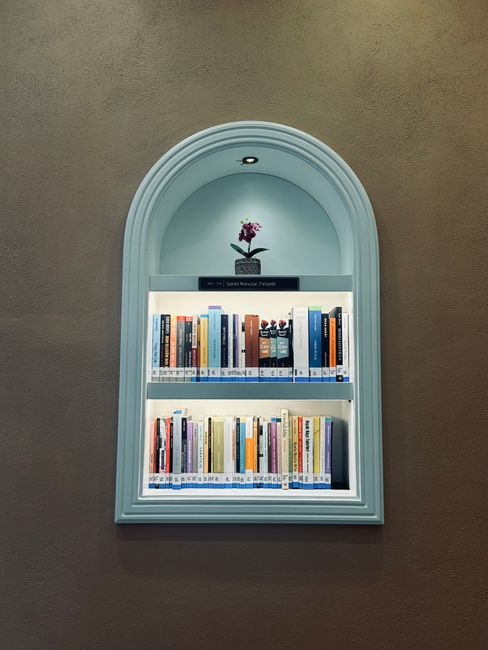
Flat drywall and uninspired boxy shelving often leave modern living spaces feeling sterile, lacking the spatial depth and architectural personality home interiors crave. When designing a home that balances high functionality with organic warmth, off-the-shelf furniture frequently falls short of making a true architectural statement. The solution redefining high-end American residential design is the custom arched built-in alcove—a versatile wall recessed element that transforms structural dead space into a focal point of refined elegance.
By blending historical architectural grace with contemporary minimalism, recessed curved wall nooks introduce soft geometry into rigid rooms. Whether carved into a living room accent wall or integrated into a custom hallway, these curvilinear features create intimate visual framing for art, functional storage, and ambient lighting. Here are five groundbreaking trends and styling strategies for incorporating arched wall alcoves into your modern aesthetic.
1. The Limewash Plaster Display Arch
One of the most impactful developments in high-end interior architecture is the pairing of tactile plaster finishes with soft arch silhouettes. Applying limewash paint or micro-cement to the interior cavity of an arched wall nook creates a subtle, chalky texture that catches natural light beautifully throughout the day. This old-world technique adds dimensional depth to flat walls without requiring expansive square footage. To style this look, curate a minimalist assortment of matte ceramic vessels, hand-thrown pottery, and raw stone sculptures that complement the earthy undertones of the plaster finish.
2. Integrated Arched Wet Bars and Beverage Nooks
Modern luxury homes are reimagining traditional bar carts by embedding dedicated entertainments hubs directly into structural walls. An arched wet bar alcove seamlessly zoning wine fridges, custom floating marble counters, and brass cabinetry within a softly curved recess creates an intentional focal point in dining rooms or open-concept living zones. Finish the back panel with honed zellige tiles or mirrored glass to reflect ambient chandelier light and heighten the sense of spatial depth.
3. Fluted Millwork Backings for Architectural Contrast
Texture play is essential when preventing monochrome spaces from feeling flat. Designers are increasingly lining the interior backdrops of recessed arched bookcases with vertical fluted wood paneling or tambour millwork. The linear rhythm of fluted oak or walnut creates a captivating visual tension against the smooth curve of the outer drywall arch. This high-contrast pairing grounds display shelving, making art objects and leather-bound books pop against the shadow line of the ribs.
4. Micro-Cement Floor-to-Ceiling Library Nooks
For a seamless, monolithic aesthetic inspired by modern Mediterranean and Scandinavian architecture, floor-to-ceiling arched library alcoves coated in seamless micro-cement offer an unmatched understated grandeur. By building cantilevered micro-cement shelves directly into the curved structure, the entire built-in appears sculpted from a single block of stone. This seamless integration eliminates visual clutter, allowing rich textiles, potted greenery, and stacked volumes to take center stage.
5. Integrated Arch Illumination and Warm Sconce Placement
Architectural curves deserve lighting that accents their curvature. The most successful arched nook designs feature hidden warm LED strip lighting recessed into a tiny channel along the front inner lip of the arch frame. This creates a soft halo effect that washes downward across display shelves without visible fixtures. Alternatively, mounting a single unlacquered brass wall sconce at the apex of an arched reading nook brings focus to the curved silhouette while casting a cozy, functional glow for evening reading.
Incorporating sculptural arched wall nooks bridges the gap between raw functional storage and high-art architectural design. By experimenting with plaster textures, contrasting wood millwork, and concealed ambient illumination, you can elevate everyday wall cavities into captivating design features that transform the flow and feeling of your home.