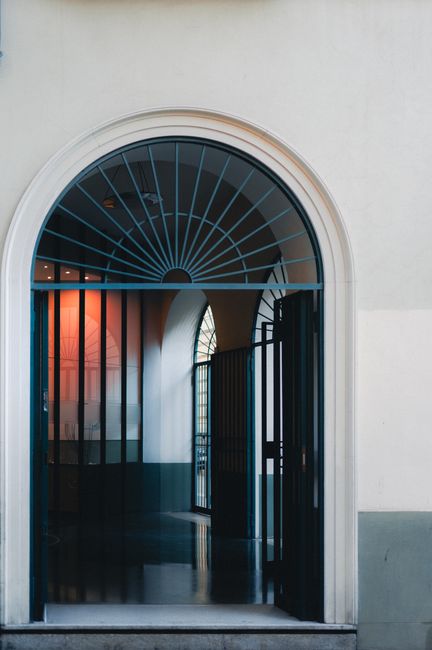
Open-concept living has long dominated modern home design, but homeowners frequently face a common spatial dilemma: how to define functional zones without sacrificing natural light or creating cramped, claustrophobic rooms. Traditional drywall partitions sever visual continuity, while standard rectangular glass doors often lack architectural character. Enter arched glass partition doors—the ultimate structural compromise that introduces soft curves, structural elegance, and intentional spatial division to contemporary interiors.
By blending the sculptural grace of classical archways with the sleek transparency of modern glazing, arched interior doors allow sightlines and daylight to flow effortlessly between spaces. Whether separating a dedicated home office from a sunlit living room or creating an elegant transition into a formal dining area, these grand partitions transform functional doorways into striking architectural focal points. Here are five top arched glass partition trends currently reshaping high-end domestic interiors across the United States.
1. Matte Black Steel Crittall-Style Arches
The timeless appeal of Crittall-style steel glazing receives a sophisticated upgrade when paired with sweeping arched silhouettes. Characterized by slim black metal profiles and grid-like mullions, these industrial-chic partitions bring grounded contrast to neutral, minimalist interiors. The juxtaposition of crisp black geometric lines against organic curved tops creates an arresting visual anchor that defines spaces like home libraries or formal entryways while maintaining an airy, light-filled atmosphere.
2. Warm Brass and Bronze Framed Double Doors
For interiors leaning toward quiet luxury or warm organic modernism, warm brass framed arched doors offer a softer alternative to high-contrast black metal. Unlacquered brass, brushed bronze, and champagne gold metalwork add an unmistakable sense of refinement to master suites and formal dining rooms. Over time, living metallic finishes develop a rich patina that enhances custom architectural millwork and pairs effortlessly with creamy plaster walls, marble flooring, and warm hardwood tones.
3. Fluted and Reeded Glass Arched Transitions
When visual separation is just as important as light transmission, fluted arched glass partitions provide the perfect balance. The subtle vertical ridges of reeded or rib-textured glass gently diffuse light, blurring backgrounds while shielding clutter from view. This trend is particularly popular for separating open-plan kitchens from sculleries, enclosing cozy breakfast nooks, or defining home workspaces where light access is mandatory but visual privacy remains a priority.
4. Pocket-Sliding Arched Glass Systems
In homes where floor space is at a premium, arched glass pocket doors combine space-saving engineering with high-impact aesthetics. Unlike traditional swinging doors that require generous clearance, these custom sliding assemblies disappear seamlessly into wall cavities or glide smoothly along hidden overhead tracks. This layout solution allows homeowners to effortlessly transition between an open, social layout and a quiet, enclosed sanctuary in seconds without compromising precious square footage.
5. Minimalist Frameless Arch Pivots
For modern purists, frameless glass arched pivot doors represent the peak of understated luxury. Utilizing concealed floor hinges and ultra-clear low-iron glass, these monolithic doors appear to float effortlessly within smooth plaster archways. The lack of heavy metal perimeter framing keeps the focus entirely on the architectural geometry of the arch itself, offering a sleek, Scandinavian-inspired boundary that feels both featherlight and structurally impressive.
Incorporating custom arched glass partition doors into your interior design plan is one of the most effective ways to introduce architectural depth, maximize light distribution, and establish intentional boundaries in open-plan layouts. By carefully selecting frame finishes, glass textures, and hardware styles, you can elevate everyday transitions into extraordinary design statements.